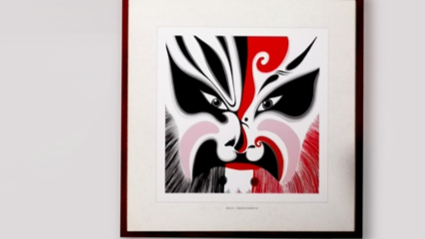
Peking Opera Facial Masks
Introduction
Peking Opera facial masks are an integral part of the traditional Chinese art form known as Peking Opera, which is a comprehensive performance art combining singing, acting, martial arts, and dance. These masks are not simply decorative; they play a crucial role in conveying the character and emotion of the roles portrayed on stage. Each facial mask is intricately designed, with colors and patterns that symbolize different traits and characteristics, providing the audience with visual cues about the personality and status of the characters. The tradition of Peking Opera facial masks is deeply rooted in Chinese culture, embodying a rich history and artistic significance that continues to influence both local and international art.
History
Peking Opera, the dramatic art form to which these facial masks belong, has a history that dates back over 200 years. It originated during the Qing Dynasty (1644-1911) and flourished in Beijing, hence the name Peking Opera. The use of facial masks in this context evolved from earlier forms of Chinese opera, where face painting was used to emphasize the dramatic aspects of the performance. These masks developed into complex designs with specific symbolic meanings. Over the centuries, Peking Opera facial masks have become a distinctive icon of Chinese cultural heritage, representing a unique blend of storytelling, symbolism, and aesthetic expression. The masks have not only served as an artistic tool for performers but also as a cultural bridge, connecting generations with traditional Chinese mythology and history.
Artistic Significance
The artistic significance of Peking Opera facial masks lies in their ability to convey complex character narratives through visual symbolism. Each mask is a masterpiece of design, crafted to encapsulate the essence of the characters portrayed. The masks are painted with meticulous attention to detail, and every line and color used in their creation carries a specific meaning. For instance, certain colors are associated with distinct character traits—red for loyalty and bravery, black for integrity and impartiality, and white for cunning and treachery. This symbolism allows the audience to instantly comprehend the character's role and motivations, enhancing the storytelling aspect of the opera. The masks' intricate designs reflect the rich cultural tapestry of China, incorporating elements of folklore, history, and moral philosophy into the visual narrative of the performance.
Design and Symbolism
Color Significance
In Peking Opera facial masks, color plays a pivotal role in dictating the character's personality and fate. The colors are not chosen arbitrarily but based on traditional symbolism that has been passed down through generations. Red is a dominant color, often representing positive traits such as loyalty, courage, and heroism. Characters like Guan Gong, a revered figure in Chinese folklore, are depicted with red facial makeup to signify these attributes. Black is another prominent color, symbolizing uprightness and integrity, often used for characters who are honest and just. White, on the other hand, is associated with deceit and treachery, frequently used for villains or characters with questionable morals. These colors help to immediately inform the audience about the character's nature and the role they play in the narrative.
Character Representation
The facial masks also represent specific characters, each with its unique design elements that differentiate them from others. These masks are categorized based on their vivid portrayals of historical and mythological figures. For example, the mask of Bao Zheng, a legendary judge known for his fairness, features a black face with a white crescent-shaped mark on the forehead, reflecting his reputation for integrity. Similarly, the mask for the character Jiang Gan, known for his cunning and deceit, is painted predominantly in white. These representations not only aid in character identification but also contribute to the depth and richness of the performance, as they embody the essence of the characters through visual art.
Production Techniques
Materials Used
The creation of Peking Opera facial masks involves a meticulous process that requires a deep understanding of materials and techniques. Traditionally, these masks were painted directly onto the face of the performers using natural pigments and greasepaint. These materials were chosen for their durability and ability to maintain vibrant colors under stage lighting. Modern adaptations of the masks often use a variety of materials, including paper-mâché and other lightweight materials, to create physical masks that can be easily worn by performers or displayed as part of exhibitions. The choice of materials is crucial, as it affects the final appearance and longevity of the masks.
Painting Process
The painting process of Peking Opera facial masks is a highly skilled art form that involves several steps. Initially, the design is sketched onto the surface, followed by the application of the base colors. Each layer of paint is carefully applied to achieve the desired depth and vibrancy. Artists use fine brushes to add intricate details and embellishments, ensuring that each mask captures the unique characteristics of the character it represents. The process requires precision and patience, as even minor errors can alter the intended expression or symbolism of the mask. Master artists, who often spend years honing their craft, traditionally pass on these techniques through apprenticeships, ensuring the continuity and preservation of this cultural art form.
Cultural Influence
Impact on Chinese Culture
Peking Opera facial masks hold significant cultural value in China, serving as a symbol of traditional Chinese opera and its rich artistic heritage. They are an essential component of Peking Opera, which is considered a national treasure and an important cultural export. These masks have been instrumental in perpetuating Chinese folklore and historical narratives, serving as windows into the past that allow contemporary audiences to connect with their cultural roots. Their impact extends beyond the walls of the theater, influencing other forms of Chinese art and design, including fashion, visual arts, and even architecture. They are celebrated during cultural festivals and exhibitions, where they are displayed as a testament to China's enduring artistic legacy.
Influence on International Art
Internationally, Peking Opera facial masks have captivated artists and audiences alike, inspiring creative expressions across various art forms. The bold colors and intricate designs of the masks have influenced fashion designers, visual artists, and filmmakers, who incorporate elements of this traditional art into their work. Exhibitions featuring Peking Opera masks have been held in numerous countries, showcasing them as a distinctive aspect of Chinese culture. These masks have become a source of fascination and admiration, fostering cross-cultural exchanges and collaborations that highlight the universality of artistic expression. Their influence is evident in the works of international artists who have adopted the aesthetic principles of Peking Opera masks to create new and innovative art forms.
Modern Adaptations
With the evolution of art and technology, modern adaptations of Peking Opera facial masks have emerged, blending traditional techniques with contemporary aesthetics. Artists today experiment with new materials and digital technologies to create innovative interpretations of the classic designs. These modern adaptations are not confined to the stage; they appear in fashion, digital art, and even virtual reality experiences, where they are reimagined for a global audience. Such adaptations help to preserve the tradition while making it accessible to younger generations, ensuring that the cultural heritage of Peking Opera masks continues to thrive in the modern world.








